
Every habit you try and build takes time. Think of it as being a bit like wearing a new watch. To start with it feels weird and uncomfortable but you push through because it is pretty or tracks your steps. Then one day, you forget to put it on after a shower and all day you feel like you’re missing something. Journaling is no different: to start with you’ll feel resistance but eventually it becomes second nature. Let me help you find a way to stick to a journaling routine

Disclosure: If you purchase anything from links in this post or any other, I may receive some kind of affiliate commission. However, I only ever mention products I love and would recommend regardless of commission.
Disclosure: I’m not a mental-health or medical expert, I just share what I’ve learned through my own research and experience. The ideas and prompts here are meant to help you reflect and grow, but they’re not a replacement for professional advice. You can read my full disclaimers here.
At its core, journaling is simply the act of putting your thoughts, feelings, and experiences down on paper. It’s like having a heart-to-heart with yourself. Many people find that journaling brings them mental clarity, helps them relieve stress, and offers a space for self-reflection. Think of it as a little oasis for your mind.
So, why are you here? This article is about helping you establish and stick to a journaling routine.
Consistency To Stick To a Journaling Routine
Consistency is an important ingredient when it comes to building any habit, and journaling is no different. Think of it like brushing your teeth. You wouldn’t skip that, right? Journaling should be the same—a regular part of your routine that you can’t miss.
Being consistent transforms journaling from a sporadic activity into a powerful habit that can really enrich your life with:
- Mental Clarity: Journaling helps organise your thoughts.
- Stress Relief: A safe space to vent and unwind.
- Self-Reflection: Gain insights into your life and emotions.
- Improved Writing Skills: The more you write, the better you get at it. Your thoughts flow more easily, and your words become more precise.
- Deeper Self-Awareness: Regular journaling helps you understand your thoughts and emotions on a deeper level. It’s like having a chat with your inner self.
- Emotional Release: Consistent journaling provides an outlet for your feelings, helping you process and let go of stress and anxiety.
So, if you aim to make journaling a cornerstone of your self-care routine, remember that consistency is key. Keep at it, even on days when you don’t feel like it. The little steps you take every day lead to big changes over time.
Setting Realistic Journaling Goals
Setting realistic goals for your journaling practice is crucial to prevent overwhelm and burnout. Trust me, I’ve been there—scribbling furiously for a week and then fizzling out because I tried to do too much.
To avoid this, it’s important to set achievable journaling goals that align with your lifestyle and other goals. Here are a few ideas to get you started:
- Daily Entries: Write a short entry every day. It doesn’t have to be a novel—just a few sentences about your day or thoughts.
- Weekly Reflections: Set aside time once a week to reflect on your experiences and feelings. This can be a more in-depth entry.
- Themed Prompts: Use specific themes or prompts to guide your writing, like gratitude or self-discovery.
Now, let’s make these goals SMART. Heard of it? It stands for Specific, Measurable, Achievable, Relevant, and Time-bound. Here’s how you can apply these criteria to your journaling goals:
SMART Criteria | Example |
|---|---|
Specific | Create a routine of journaling five times a week for one month |
Measurable | Complete five journal entries a week. |
Achievable | Start with 10-minute sessions to avoid feeling overwhelmed. |
Relevant | Focus on self-care themes that resonate with my current life situation. |
Time-Bound | Work on this goal until 11th November and then reflect on my progress |
Setting SMART goals will make journaling a sustainable and enjoyable part of your routine rather than a chore. Remember, the key is to start small and gradually build up as you become more comfortable with your journaling practice.
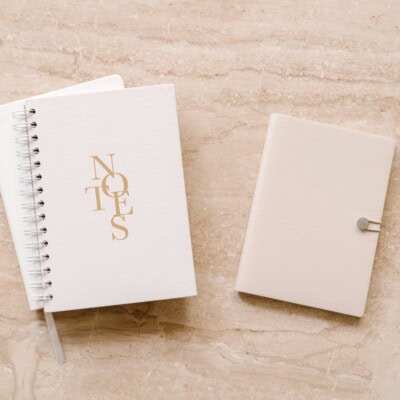
Creating a Comfortable Environment
Where you write in your journal can make a big difference in how much you enjoy the process. Think about it: Would you want to write in a cluttered, noisy space or in a cosy spot that feels like your personal hideaway? A conducive environment can seriously enhance your journaling experience, making it something you look forward to each day.
Creating a comfortable journaling space is all about minimising distractions and maximising inspiration. Here are some tips to help you set up the perfect spot:
- Good Lighting: Natural light is ideal, but a soft lamp works wonders too. You don’t want to strain your eyes trying to read your handwriting! If you’re journaling in the evening.
- Minimal Distractions: Find a quiet spot where you won’t be interrupted. This might mean turning off your phone or journaling when the house is calm. If you live in a busy household, try using noise-cancelling headphones or soft instrumental music to drown out distractions.
- Personal Touches: Add a few items that make you happy—a blanket, a favourite pen, or calming music in the background. Surrounding yourself with things that inspire you can make journaling feel like a treat rather than a chore.
- Comfortable Seating: Invest in a good chair or cushion. You’ll spend time in this space, so make sure it’s comfortable. A supportive chair can help you focus on your thoughts instead of your back pain.
- Organised Supplies: Keep your journaling tools organised and within reach. Whether it’s your favourite notebooks, pens, or stickers, having everything in one place can minimise barriers and make it easier to get started.
- Inspiring Decor: Consider adding some artwork or quotes that resonate with you. A vision board or a few motivational prints can spark creativity and remind you of your goals.
- Nature Elements: Incorporate some plants or flowers into your space if possible. Studies show that being around greenery can boost your mood and creativity.
It’s also important to remember that your journaling environment doesn’t have to be perfect. It just needs to be a place to relax and let your thoughts flow effortlessly. If you’re feeling stuck, experiment with different locations.
Choosing the Right Journaling Method
So, you’ve decided to dive into the world of journaling—awesome choice! But wait, there’s more. Did you know there’s a whole buffet of journaling methods to choose from? Yep, it’s not just about scribbling in a notebook anymore. Finding the method that vibes with you makes it easier to stick to your journaling routine.
Each method has something special to offer.
Free writing can be a cathartic experience, allowing your thoughts to spill out uninterrupted. Bullet journaling, on the other hand, is perfect for those who crave structure and efficiency. And if you’re all about good vibes, gratitude journaling might just be for you.
I started with free writing because I needed to unload my daily thoughts without judgment. Eventually, I discovered bullet journaling, which helped me keep my scattered life in check. When I needed a mood booster, gratitude journaling reminded me of all the good stuff I often overlooked.
My advice? Experiment! Try out different methods and see which one resonates with you. You might even find that a combination works best. And remember, your journaling practice is just that—yours. Don’t be afraid to change if your current method starts feeling stale.

Incorporating Prompts and Themes
Staring at a blank page can be daunting. That’s where journaling prompts and themes come to the rescue. Think of them as little sparks of inspiration that can ignite your creativity and keep your journaling sessions fresh and engaging.
Prompts can help guide your writing, especially on those days when your mind feels like a desert with tumbleweeds rolling through. They provide a starting point and can lead you to explore thoughts and emotions you might not have considered otherwise. Themes, on the other hand, can provide a focus for your entries over a period of time, helping you delve deeper into specific areas of your life.
Here are some popular journaling prompts to kickstart your journaling habit:
- What am I grateful for today? – Cultivate a sense of gratitude and positivity.
- What challenges did I face this week? – Reflect on obstacles and consider how to overcome them.
- Describe a moment that made me smile recently. – Capture happy thoughts and joyful memories.
- What are my top three goals for this month? – Focus on personal growth and achievement.
- What advice would I give if I could talk to my younger self? – Encourage self-reflection and self-awareness.
There are countless resources out there packed with journaling prompts to keep your inspiration flowing. Here are a few I recommend:
- Journal Buddies – A treasure trove of prompts for all ages and interests.
- The 365 Journal Prompts Book – A book filled with daily prompts to last you a whole year.
- Positive Psychology – Focus on prompts that encourage mental wellness and positivity.
Remember, the key is to find prompts and themes that resonate with you. Journaling should be an enjoyable and meaningful part of your day.
Making Time for Journaling
Finding time to journal in our busy lives can feel like squeezing into a pair of jeans after a hefty meal—difficult but definitely possible! If you’re wondering how to fit journaling into your packed schedule, you’re not alone. The good news is that with a few clever strategies, you can make journaling a seamless part of your day.
Here are some practical tips to help you carve out time for journaling, even when life gets hectic:
- Set aside a specific time each day: Whether it’s the first thing in the morning or just before bed, having a set time helps build a habit. Try incorporating it into your morning pages routine or as part of your evening wind-down.
- Journal during breaks: Jot down your thoughts during your lunch break or a coffee break. It doesn’t have to be long; even a few minutes can be refreshing.
- Use journaling apps: Apps like Day One or Journey make it easy to journal on the go. They offer prompts, reminders, and the convenience of writing digitally.
- Integrate journaling with habit stacking: Pair journaling with an existing habit to make it feel more effortless. For example, journal right after brushing your teeth or while having your morning coffee.
I used to struggle with finding time to journal—I mean, between work, family, and everything else, where’s the time? But then I had a lightbulb moment. Instead of seeing journaling as another task, I started viewing it as a form of self-care, a chance to pause and reflect amidst the chaos.
One day, I decided to set my alarm 15 minutes earlier than usual. At first, it was tough (I love my sleep!), but I soon discovered how calming it was to write in the quiet of the morning. This small adjustment not only helped me maintain a consistent journaling habit but also gave me a peaceful start to my day.
If you’re feeling pressed for time, remember that journaling doesn’t have to be lengthy. Even a few minutes can make a difference. Try different strategies and see what works for you.

Staying Motivated and Accountable
Trying to stick to a journaling routine can sometimes feel like trying to keep up with a New Year’s resolution—enthusiastic at the start, but it fizzles out if we’re not careful. So, how do we keep the flame alive? The answer lies in motivation and accountability.
Accountability is like having a gym buddy for your journaling routine. It keeps you on track and makes it a bit harder to skip a day when you know someone else is rooting for you. Here’s how accountability can support your journaling consistency:
- Find a Journaling Buddy: Team up with a friend who also journals. You can share your progress, exchange journal prompts, or schedule regular check-ins to discuss your experiences.
- Join a Journaling Community: Numerous online communities and forums allow journal enthusiasts to connect with each other. For support and inspiration, check out Reddit’s Journaling Community or the Journaling Club.
Now, let’s talk about tracking progress. Seeing how far you’ve come can be incredibly motivating and give you that little boost to keep going. Here are some tips to help you stay on course:
- Use a Habit Tracker: Apps like Habitica or HabitBull can help you track your journaling habit and celebrate streaks. Seeing those streaks grow can be surprisingly satisfying!
- Try a Journaling App: Journaling apps like Day One provide a digital space for your thoughts and offer features to track your entries and remind you to write.
- Celebrate Milestones: Set small goals and celebrate when you reach them. Whether it’s 10 consecutive days of journaling or filling up an entire notebook, give yourself a pat on the back (or treat yourself to something nice).
I’ve found that having an accountability partner made all the difference. A friend and I started journaling at the same time, and we’d text each other a simple “done!” once we completed our daily entries. It was like a mini high-five across the distance. Tracking my progress with a habit tracker transformed journaling from a chore into a rewarding practice.
Wrapping Up
Starting and trying to stick to a journaling routine can be one of the most rewarding self-care practices you can adopt. It’s not just about writing; it’s about creating a safe space for your thoughts and emotions, gaining clarity, and fostering self-awareness.
Remember, the key elements to successful journaling are consistency, realistic goals, a comfortable environment, and finding a method that resonates with you.
As you start journaling, remember the importance of staying motivated and accountable. Whether through a journaling buddy, a supportive community, or tracking your progress, these strategies can help you stay on course and make journaling a rewarding part of your daily life.
Disclosure: If you purchase anything from links in this post or any other, I may receive some kind of affiliate commission. However, I only ever mention products I love and would recommend regardless of commission.
Disclosure: I’m not a mental-health or medical expert, I just share what I’ve learned through my own research and experience. The ideas and prompts here are meant to help you reflect and grow, but they’re not a replacement for professional advice. You can read my full disclaimers here.