
Journaling for Kids and Teens
Journaling can be a brilliant outlet for kids and teens—whether they’re full of ideas or don’t know where to begin. This section of The Happy Journals is packed with creative journaling ideas for kids and teens, reflection pages for students, and themed prompts that make journaling feel fun (not forced). You’ll find fresh takes on gratitude journaling for teens, seasonal journaling pages, and intros to how to start journaling for kids who are totally new to it.

Journaling for Kids and Teens Blog Posts






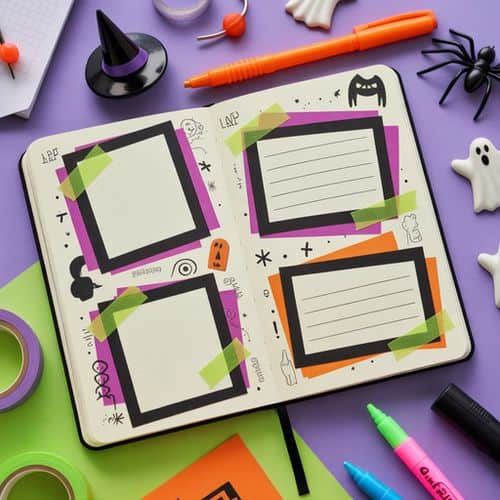



The Benefits of Journaling for Kids and Teens
A lot of kids and teens think journaling means writing full pages about your feelings, and sometimes it is. But it can also be:
- Drawing what made you laugh today
- Making a list of “best bits” after school
- Writing a comic strip about something annoying
- Rating your day with stickers
In other words, it doesn’t have to look like journaling to be journaling. It just has to give them space to think, feel, or play things out on paper.
There are loads of benefits of journaling for kids and teens. Especially when it comes to emotional processing, confidence, memory, and focus. But most of all, it helps them notice stuff. It teaches them to check in with themselves without needing a perfect routine.
How to Start Journaling for Kids, Teens, and Students
If you’re helping someone get started, or setting up a journaling project for students, try one of these first:
Gratitude lists that aren’t boring. Think: “things that made today suck less.” Or “unexpected wins.”
Journal pages with structure. Boxes to fill in. Emoji trackers. A space to doodle.
Theme-based prompts. Instead of “how do you feel?” try “what’s something you wish adults understood?”
Mix words and visuals. Use stickers, sketches, cut-out magazine bits—anything to break the blank page.
And if you’re looking for journal layouts that bring these ideas to life, the Journal Pages & Spreads category has visual inspiration you can adapt for all ages.
Journaling for Kids and Teens Doesn’t Have to Be Complicated
You don’t need a specific notebook just for kids to journal. And teens don’t need a rigid system. The best way to get started with journaling for kids and teens is simply to start small.
Want more beginner-friendly support? Try the Journaling Basics category—it’s not age-specific, but it breaks down all the essentials.
Whether you’re journaling with a student, creating a reflection routine for your class, or just trying to get your kid off TikTok for 10 minutes, the ideas above are a solid place to begin.