
Journaling is one of the best ways to express yourself, explore your creativity, and make sense of your emotions. Whether you’re navigating friendships, dealing with school stress, or just looking for a fun way to document your life, journaling can help you reflect, gain confidence, and track your personal growth over time.
Disclosure: If you purchase anything from links in this post or any other, I may receive some kind of affiliate commission. However, I only ever mention products I love and would recommend regardless of commission.
Disclosure: I’m not a mental-health or medical expert, I just share what I’ve learned through my own research and experience. The ideas and prompts here are meant to help you reflect and grow, but they’re not a replacement for professional advice. You can read my full disclaimers here.
But knowing where to start can feel overwhelming. Should you write about your day? Answer a prompt? Doodle? The good news: there’s no right or wrong way to journal. The key is to find a style that works for you.
This guide explores different journal ideas for teens to help you get started with finding ways to start a journal and figuring out what types of things to journal about.
Getting Started with Journaling
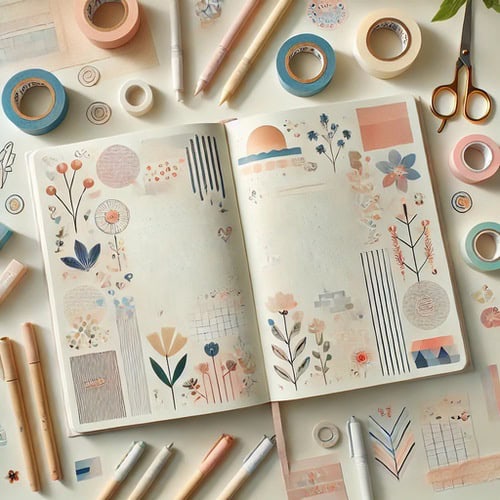
Not sure where to begin? The first step is to choose a journaling method that suits you—whether it’s a simple notebook, a digital journal, or a bullet journal. There are many readymade teenage journals, too.
Once you’ve chosen your journal, you can decide how often you want to write. Some people journal daily, while others prefer once a week or whenever inspiration strikes.
Daily Journaling Prompts for Teenagers
One of the easiest ways to get into journaling is by using daily prompts. These take the pressure off thinking of what to write and help you build a habit.
Try setting a goal to write at least one short entry per day—whether it’s a reflection on your mood, a memory from the day, or a fun challenge. Mixing up different types of prompts keeps things interesting!
Journal Ideas for Teens: Writing About Life as a Teenager
Teen years are full of new experiences, challenges, and emotions. Journaling is a great way to process your thoughts, document important moments, and reflect on personal growth.
Whether you want to write about friendships, school pressures, or future goals, putting your thoughts on paper can give you clarity and confidence. You could try some journal questions for teens to explore what’s going on in life.
Creative Journal Ideas for Teens
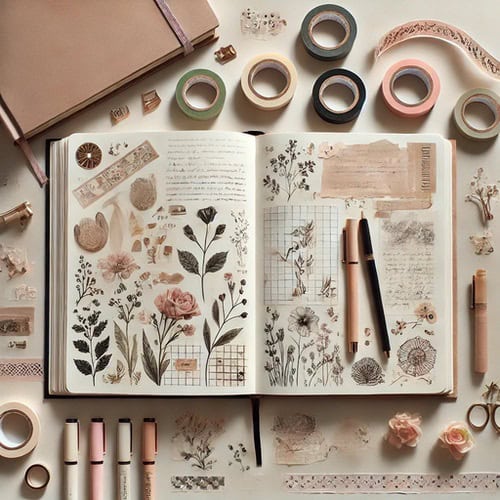
Journaling doesn’t have to be all about emotions and reflections—it can also be a space for imagination and creativity. There are tons of journal topics for teens to get stuck into.
Consider experimenting with different formats like:
- Writing letters to your future self
- Making a vision board
- Keeping a dream journal
- Creating lists of goals, books to read, or places you want to visit
The more creative and personal you make your journal, the more fun it will be to keep up with.
Why Journaling is Important for Teens
Let’s briefly interlude away from journal ideas for teens and talk about why it is such a good thing to do.
Journaling is more than just writing—it’s a tool for self-discovery, stress relief, and personal growth. Regular journaling can help you process emotions, organise your thoughts, and boost creativity.
Beyond self-reflection, journaling also lets you log memories. Looking back at old journal entries can remind you how much you’ve grown over time.
Tips to Keep Up Your Journaling Practice
Starting a journal is easy—sticking with it is the real challenge! If you’ve ever felt unmotivated to write, you’re not alone. The trick is to make journaling fit naturally into your routine.
- Set reminders
- Keep your journal somewhere visible
- Try different formats until you find what works for you
- Don’t pressure yourself to write perfectly—just let your thoughts flow!
Using Your Journal to Cope with Anxiety
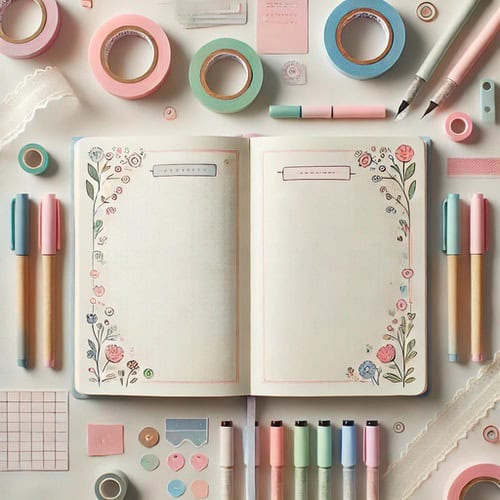
Journaling can be a powerful way to clear your mind and manage stress. Writing about your worries can help you make sense of them and feel more in control.
Techniques like gratitude journaling, stream-of-consciousness writing, and “worry dump” pages can be especially helpful when you’re feeling overwhelmed.
Trying Art Journaling for a Different Experience
Not a fan of writing? Art journaling is an amazing alternative that lets you express yourself visually. From sketching and doodling to collages and painting, an art journal can capture emotions in a way words sometimes can’t.
If you enjoy creativity, try experimenting with different textures, colours, and themes. You can even combine art and words for a unique, personalised journaling experience.

Focusing on Positivity with Gratitude Journaling
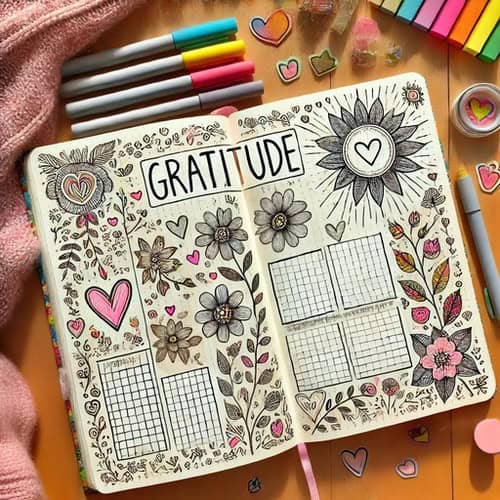
Gratitude journaling is one of the simplest but effective journal ideas for teens. It is a great way to focus on the positives in life. Writing down just a few things you’re thankful for each day can improve your mood and overall well-being.
It doesn’t have to be complicated—your gratitude list can include small, everyday joys like a kind message from a friend or a great song you heard that day. Over time, this habit can train your brain to see the good in any situation.
Wrapping Up
Journaling is personal—there’s no right or wrong way to do it. Whether you prefer structured prompts, creative writing, art journaling, or gratitude lists, the key is to make journaling a habit that adds value to your life.
Try different styles, experiment with ideas, and most importantly, have fun! If you want to dive deeper, check out the linked posts for more inspiration and guidance.
Incorporating journal ideas for teens into your routine can make journaling a meaningful and enjoyable part of your life.
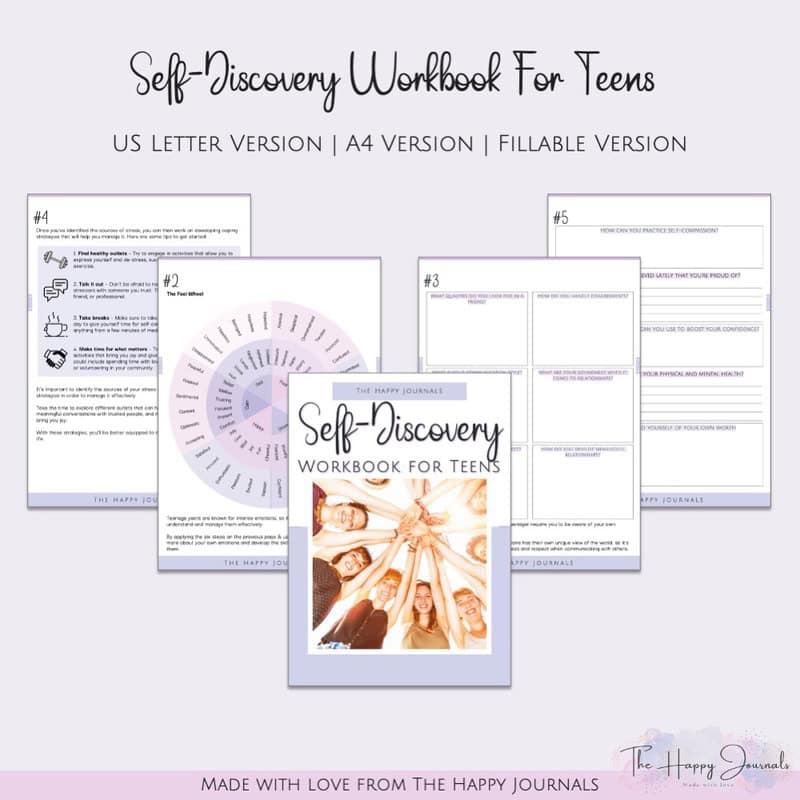
Grab the Self-Discovery Workbook For Teens
This workbook has been designed to guide your teens through a process of self-discovery and to help them gain an understanding of themselves.
In this workbook, we will explore topics including: Setting boundaries, your emotions, positive relationships, identifying stressors, knowing your worth, exploring strengths and weaknesses, and success goals.
Disclosure: If you purchase anything from links in this post or any other, I may receive some kind of affiliate commission. However, I only ever mention products I love and would recommend regardless of commission.
Disclosure: I’m not a mental-health or medical expert, I just share what I’ve learned through my own research and experience. The ideas and prompts here are meant to help you reflect and grow, but they’re not a replacement for professional advice. You can read my full disclaimers here.