An art journal is like a personal playground for your creativity—a combination of a diary and a sketchbook where you can freely express your thoughts, ideas, and emotions through art. The purpose of an art journal is to provide a space where you can explore your creative side without the pressure of perfection. Let’s look at some tips for starting an art journal.
Disclosure: If you purchase anything from links in this post or any other, I may receive some kind of affiliate commission. However, I only ever mention products I love and would recommend regardless of commission.
Disclosure: I’m not a mental-health or medical expert, I just share what I’ve learned through my own research and experience. The ideas and prompts here are meant to help you reflect and grow, but they’re not a replacement for professional advice. You can read my full disclaimers here.
Before we go any further, let me tell you why art journaling is one of my favourite things to do:
- Creativity Boost: Art journaling encourages you to think outside the box and experiment with different art supplies and techniques.
- Emotional Outlet: It’s a safe space to express feelings and emotions that might be hard to put into words.
- Stress Relief: The act of creating can be incredibly therapeutic and calming.
- Personal Growth: You can track your personal and artistic progress over time by consistently journaling.
If you’re ready to start your art journal, remember: there’s no right or wrong way to do it. Grab a sketchbook and art supplies, and let your imagination run wild.
Supplies to Started with Your Art Journal
First things first, you’ll need a few essential supplies to kick off this creative journey. But don’t worry; you don’t have to break the bank to get started.
Here’s a list of the basic supplies you’ll want to gather:
- Sketchbook: A good-quality sketchbook will be important. Consider one with thicker watercolour paper if you plan to use paints or wet media. If you’re not using wet media, use a simple composition notebook.
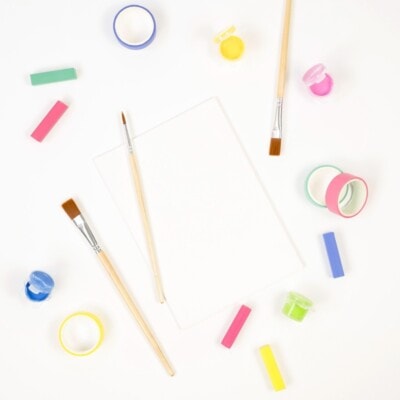
- Paints: Use acrylics or watercolours for vibrant colours. For a unique effect, try children’s watercolours or even food colouring.
- Pens: For detailed work, use fine liners, gel pens, or markers. Basic ballpoint pens or highlighters can add a pop of colour.
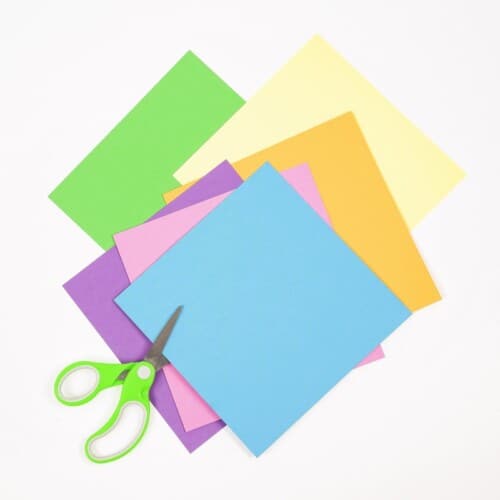
- Collage Materials: Use old newspapers, junk mail, scrapbook paper, or wrapping paper scraps.
- Glue Stick: I use a good ol’ Pritt Stick, but a homemade paste using flour and water can work in a pinch!
- Optional Tools:
- Washi Tape: Adds decorative borders and accents.
- Stencils: For creating consistent shapes and patterns.
Remember, your art journal is a reflection of you. Don’t stress about having all the fancy supplies right away. Start with what you have, and let your creativity grow from there.
Awesome Art Journals you might like
Strathmore 567-7 500 Series Softcover Mixed Media Art Journal
Tips for Creating Your First Page
Ah, the dreaded blank page. We’ve all been there, staring at it, feeling a mix of excitement and fear. But don’t worry—we can use some simple techniques to overcome that blank page fear.
Breaking the Blank Page Fear
Here are some easy and approachable techniques to get your creative juices flowing:
- Doodle Away: Start with some simple doodles. Grab a pen and let your hand move freely. Remember, there’s no right or wrong way to doodle!
- Collage It Up: Tear out images or words from magazines and glue them onto your page. This is a great way to layer found papers and create visual interest.
- Colour Splash: Use watercolours or markers to add a splash of colour. Sometimes, filling the page with colour helps break the ice.
“You can’t use up creativity. The more you use, the more you have.” – Maya Angelou
Starting your first page doesn’t have to be perfect. The goal is to let go and enjoy the process. Remember, each page is a learning experience; you’ll improve with practice.
Themes and Prompts to Explore
Diving into the world of art journaling, you might wonder, “What should I create today?” Don’t worry, I’ve got you covered with some exciting themes and prompts that will spark your creativity and keep your journal pages brimming with inspiration!
Inspiring Themes for Your Art Journal
Choosing a theme can guide your creative process and give your pages a cohesive feel. Here are some themes to consider:
- Nature: Capture the beauty of the outdoors with landscapes, plants, and wildlife illustrations.
- Self-Portrait: Explore your identity by creating pages that reflect your personality, thoughts, and emotions.
- Dreams: Translate your dreams into visual art using abstract elements and colours.
- Travel: Document your journeys with travel journals, including sketches, maps, and ticket stubs.
- Daily Life: Chronicle everyday moments, from your morning coffee to evening reflections.
Related Blog Post: 50 Fun Journal Topics For High School Students To Spark Creativity
Creative Prompts to Get You Started
Prompts can be a fantastic way to overcome creative blocks and explore new ideas. Here are some prompts to kickstart your creativity:
- What makes you happy?
- Something that represents your favourite place in the world.
- Create a page about a memorable dream.
- What are your goals for this year?
- Illustrate a moment when you felt truly alive.
Resources for More Art Journaling Themes and Prompts
If you’re hungry for more inspiration, check out these resources that offer endless ideas and prompts:
- Journal Sparks by Emily K. Neuburger – A book filled with creative exercises and prompts.
- Mindful Art Studio – A website offering art prompts and workshops for mindful creativity.
- Artful Haven – A great site with various journal prompts and tips.
Techniques to Enhance Your Art Journal
My favourite thing about art journaling is the fact that there are no limitations. There are a ton of cool techniques that can transform your art journal from simple sketches into a vibrant explosion of creativity. Whether you’re an absolute beginner or have been dabbling for a while, these techniques can add depth, texture, and personality to your pages.
Exploring Different Art Techniques
There are countless techniques you can explore, but here are a few favourites to get you started:
- Watercolour: This technique uses water-based paints to create beautiful washes and gradients. It’s perfect for blending colours and creating soft backgrounds.
- Collage: Combine found papers, magazine cutouts, and paper scraps to create layered art pieces. The beauty of collage lies in its ability to tell a story through various textures and images.
- Mixed Media: Why limit yourself to one medium? Mixed media involves using a combination of materials such as acrylics, ink, and pastels to create dynamic art.
- Ink Blots: Create abstract patterns by dripping ink onto the page and folding it to make symmetrical designs. It’s a spontaneous and fun way to fill a blank page.
Maintaining Your Art Journal Practice
So you’ve started your art journal and filled a couple of pages. But how do you keep that creative momentum going? Trust me, I’ve been there. Life gets busy, and it’s easy to let your art journal gather dust on the shelf. But with a little planning and motivation, you can make art journaling a regular part of your life.
Establishing a Regular Art Journaling Routine
Creating a consistent routine doesn’t mean turning your art practice into a chore. It’s about carving out a little “me time” amid the chaos of daily life. Here are some tips for starting an art journal routine:
- Set a Schedule: Decide on a specific time of day or week when you can dedicate yourself to art journaling. It could be as simple as 15 minutes every morning with your coffee.
- Create a Ritual: Pair your journaling time with something you enjoy, like listening to your favourite music or sipping a nice cup of tea.
- Start Small: If you’re an absolute beginner, don’t pressure yourself to fill pages quickly. Begin with small, manageable projects.
Motivational Strategies to Keep the Practice Enjoyable
Sometimes, we need a little spark to keep things fun and interesting. Here are a few ideas:
- Join Art Communities: Being part of a community can provide motivation and inspiration. Platforms like Reddit’s Art Journaling subreddit are great places to connect with fellow journalers.
- Participate in Challenges: Try monthly art challenges like Inktober or Junk Journal January to push your creative boundaries.
- Keep it Diverse: Don’t stick to one style or medium. Experiment with mixed-media art or incorporatescrap papers and washi tape into your pages.
Resources to Build a Consistent Art Journaling Habit
If you’re looking for more structured guidance, check out these books:
- Art Journal Courage by Dina Wakley – A great read for overcoming creative blocks and finding your artistic voice.
- The Art of Visual Notetaking by Emily Mills – Learn how to integrate visuals into your journaling for a richer experience.
- Stash and Smash by Cindy Shepard – Over 120 ideas for organising your personal stash. Be inspired to use your stash of papers, mementos and accents to create something wonderful

Wrapping Up: Tips for Starting an Art Journal
Starting an art journal might feel daunting, but breaking it down into simple steps can make it a fun and rewarding experience. Let’s recap the key points we covered in this post:
- Understanding Art Journaling: We explored what an art journal is and its benefits, like enhancing creativity and providing emotional expression. Art journaling can be a form of art therapy, allowing you to express your feelings and thoughts visually.
- Gathering Supplies: We discussed essential supplies and budget-friendly alternatives to help you get started without breaking the bank. Remember, you don’t need to buy the most expensive materials to create beautiful art pieces.
- Creating Your First Page: Remember, it’s all about getting over the fear of the blank page with simple techniques like doodling or collaging.
- Exploring Themes and Prompts: With themes like nature or self-portraits and prompts like “What makes you happy?” you’ll never run out of inspiration. You can find more art journal prompts online to keep your creativity alive.
- Enhancing Your Journal with Techniques: We looked at various techniques, such as watercolour, collage, and mixed media, and provided resources to help you explore them further.
- Maintaining Your Practice: We shared tips to establish a routine and keep your art journaling practice enjoyable and consistent. Joining art communities or participating in challenges can be a great way to stay motivated.
The most important thing is to start. Don’t let the fear of perfection hold you back. Your art journal is a space for experimentation and self-expression. It’s about the journey, not the destination. Embrace the messiness.
Here are a few more tips for starting an art journal:
- Be Kind to Yourself: It’s okay if your first few pages don’t turn out as you envisioned. Every artist has been there. Allow yourself to make mistakes and learn from them.
- Set Aside Time: Try to dedicate a specific time each week to work on your journal. Consistency can help you develop a habit and make art journaling a part of your daily life.
- Experiment with Different Styles: Don’t be afraid to try new techniques or styles. You might discover a new favourite way to express yourself!
- Use Found Materials: Incorporate items from your daily life, like ticket stubs, magazine clippings, or even scrap paper. These can add a personal touch to your journal.
Some Art Journal books I Love!
- Stash and Smash
- Art Journal Freedom: How to Journal Creatively With Color & Composition
- Art Journaling – A Mixed-Media Guide to Unleashing Your Creativity
Disclosure: If you purchase anything from links in this post or any other, I may receive some kind of affiliate commission. However, I only ever mention products I love and would recommend regardless of commission.
Disclosure: I’m not a mental-health or medical expert, I just share what I’ve learned through my own research and experience. The ideas and prompts here are meant to help you reflect and grow, but they’re not a replacement for professional advice. You can read my full disclaimers here.