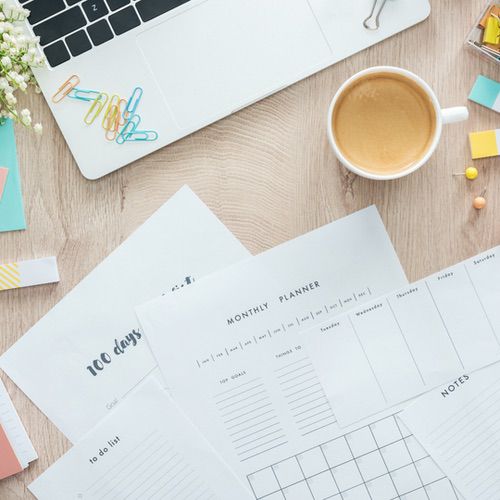
When most people think about journaling, they picture a blank notebook or a fancy guided journal. But planners — the kind you might already be using for your daily to-dos — can actually be one of the easiest places to start.
Disclosure: If you purchase anything from links in this post or any other, I may receive some kind of affiliate commission. However, I only ever mention products I love and would recommend regardless of commission.
Disclosure: I’m not a mental-health or medical expert, I just share what I’ve learned through my own research and experience. The ideas and prompts here are meant to help you reflect and grow, but they’re not a replacement for professional advice. You can read my full disclaimers here.
The trick is finding the right fit. Different types of planners support different styles of journaling, whether you’re into quick check-ins, goal tracking, self-reflection, or simply capturing the messy stuff as it happens.
In this post, we’ll walk through six types of planners that work surprisingly well for journaling, and why each one might be exactly what you need — depending on how you think, write, and live.
Daily Planners: Perfect for Quick Check-Ins
If you like structure but don’t want to overthink your journaling habit, a daily planner might be the easiest place to begin. These planners usually come with pre-set sections for things like appointments, tasks, and priorities — but there’s almost always a bit of space you can make your own.
Use that space to write a quick reflection in the morning (like a one-line intention), or a short note at the end of the day. You don’t need a full page — just a few seconds to check in with yourself and notice what’s actually going on.
Daily planners work especially well if you’re trying to build a consistent journaling habit that fits into your routine, without adding pressure to write long entries.
Popular options like the Clever Fox Daily Planner, Panda Planner Pro, or this Simplified Daily Planner offer a nice balance of structure and flexibility.
Want to see this in action? Get my simple tips for using a daily planner for journaling here.
Bullet Journals: Flexible, Personal, and Creative
If you want full freedom over how your pages look and what you write each day, a bullet journal might be the best option. It’s one of the most adaptable types of planners out there — no layouts to follow, no rules to stick to, and no pressure to make it pretty (unless that’s your thing).
You can journal through habit trackers, collections, doodles, reflections, or a mix of all of it. This makes bullet journals ideal for creative thinkers, list-makers, and people who like their journaling to evolve with the seasons, their schedules, or their moods.
Dot grid notebooks like the Yop & Tom A5, BUKE Hardcover, or a LEUCHTTURM1917 are popular choices — and if you’re curious about how it all works, The Bullet Journal Method by Ryder Carroll is the go-to resource.
New to bullet journaling? Read my quick introduction to bullet journaling for beginners here.
Goal-Oriented Planners: Great for Progress Tracking
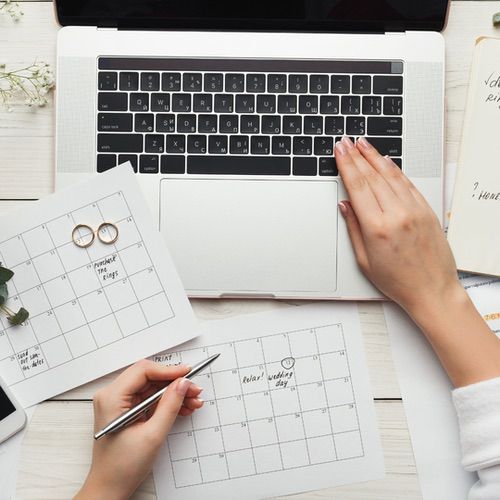
If your journaling tends to focus on growth, motivation, or seeing how far you’ve come, goal-oriented planners can be a great match. These types of planners are designed to help you break big goals into smaller steps — and that structure makes them ideal for reflective writing, too.
You might use the built-in review pages to note what worked (and what didn’t), jot down wins you’d otherwise skip over, or track how your mindset shifts over time. It’s a practical way to combine planning with self-awareness.
Planners like the 90-Day Goal Planner Journal, the Purpose Planner, or the Legend Planner Pro are all strong options — especially if you want journaling to double as a form of accountability.
Family Planners: For Shared Routines and Reflections
If your life revolves around more than just your own schedule, a family planner might be the type of planner that brings journaling back into the mix — without needing a separate notebook. These planners are built for managing shared routines, but they often include weekly or monthly note sections that can easily double as a space to reflect.
You might use it to track things like family wins, funny moments, or small memories you don’t want to forget — or even jot down how you’re feeling about the juggle that week. The structure’s already there; you’re just adding a layer of reflection to it.
Options like the Amy Knapp Family Organizer, Family Hub Organizer Binder, or Bloom Family Daily Planning System are all popular for exactly this reason — they support real life, not just the ideal version of it.
Budget Planners: Reflecting on Spending Habits
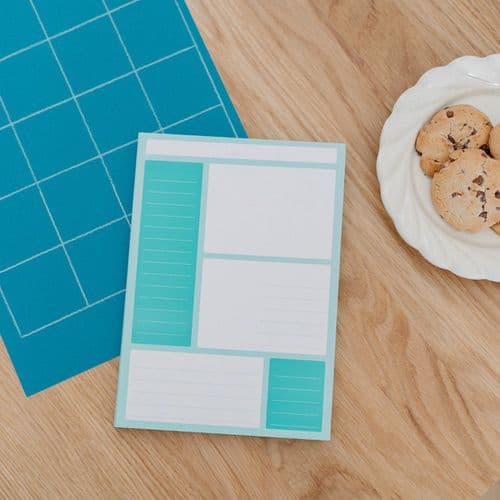
If you’re someone who likes journaling about values, habits, or what’s really going on behind the scenes, a budget planner can be surprisingly useful. It’s not just about numbers — it’s a space where your daily choices show up in black and white.
You might use the monthly review sections to reflect on spending patterns, capture moments of unexpected abundance, or write through the emotions that come with budgeting. Journaling alongside your finances helps you spot what’s working, what feels off, and what matters more than the maths.
Options like the Clever Fox Budget Planner & Bill Organizer, a Simple Budget Planner, or this 12-Month Budget & Bill Organizer make it easy to keep everything in one place — thoughts and transactions side by side. And if you don’t have enough room to write, you can always use post-it notes, or use washi tape to stick in notes and thoughts.
Wellness & Fitness Planners: Supporting Mind-Body Journaling
If your journaling is tied to how you feel — physically, mentally, or emotionally — wellness and fitness planners can offer a really natural home for it. These types of planners are designed to track habits, meals, workouts, sleep, energy levels, and mood, which means there’s already space built in for personal reflection.
You might use it to note patterns in your sleep or stress levels, reflect on how certain habits impact your focus, or simply jot down how you felt in your body that day. It’s a great fit if you want your planner to support more than just tasks and routines.
Planners like the Clever Fox Wellness Journal, Life & Apples Meal Planner, or this Wellness Journal & Self Care Planner are all designed with that mind-body connection in mind. And they make it easy to mix practical tracking with thoughtful notes.
Wrapping Up
There’s no one-size-fits-all approach when it comes to journaling — and that’s exactly why planners work so well. Whether you thrive on structure, need something flexible, or want to track how you’re feeling alongside everything else, there’s probably a planner out there that fits.
These types of planners aren’t just about staying organised — they’re about helping you notice what matters, in a way that actually makes sense for your day-to-day life.
So if traditional journaling hasn’t stuck, try looking at the layout you’re already using. You might already have the perfect journaling setup — it just looks a little more like a planner.
Found a planner style that works for you? Leave a comment or pass this post on to someone who’s still figuring it out.
Disclosure: If you purchase anything from links in this post or any other, I may receive some kind of affiliate commission. However, I only ever mention products I love and would recommend regardless of commission.
Disclosure: I’m not a mental-health or medical expert, I just share what I’ve learned through my own research and experience. The ideas and prompts here are meant to help you reflect and grow, but they’re not a replacement for professional advice. You can read my full disclaimers here.