Keeping a journal for high school is a fantastic way to capture your thoughts, feelings, and experiences on paper. It’s a place you can be completely honest and open. The basic purpose of journal writing is to provide a safe space for self-expression and personal growth. It’s a place to explore your mind and reflect on your daily life. Today, I’d like to explore why journal writing is important for students.

Disclosure: If you purchase anything from links in this post or any other, I may receive some kind of affiliate commission. However, I only ever mention products I love and would recommend regardless of commission.
Disclosure: I’m not a mental-health or medical expert, I just share what I’ve learned through my own research and experience. The ideas and prompts here are meant to help you reflect and grow, but they’re not a replacement for professional advice. You can read my full disclaimers here.
So, why is journal writing important for students? Well, let’s be honest. Being a student is no walk in the park. Juggling classes, homework, extracurricular activities, and social life can get overwhelming. Journaling helps students manage their stress, improve their writing skills, and even boost their creativity.
One of the best things about journal writing is that it allows you to process your thoughts and emotions. Writing it down can be incredibly therapeutic when you’re feeling anxious about an upcoming exam or stressed about a group project. In a journal, you can vent, brainstorm solutions, or let your feelings flow onto the page. This practice can lead to better emotional regulation and mental clarity.
In this blog post, we will explore the ins and outs of journal writing, tips for getting started, and different types of journals you can try.
Why Is Journal Writing Important For Students?
As we’ve already talked about, there are tons of benefits to keeping a journal for high school. Specifically, many benefits help make journal writing important for students. But let’s look at a few of these in more detail:
- Enhances Self-Reflection: Journaling allows you to reflect on your experiences and see how you’ve grown. It’s a great way to understand yourself better and learn from your past.
- Improves Writing Skills: The more you write, the better you get at it. Regular journaling can help you become a more effective communicator, which is essential for school and beyond.
- Reduces Stress and Anxiety: Writing about your worries and fears can be incredibly therapeutic. It’s like having a heart-to-heart with yourself, which can help you deal with stress and anxiety more effectively. If you’re interested in this, you might like this post: How Can Journaling Help Anxiety?.
- Encourages Creativity: Your journal allows you to let your imagination run wild. Journaling can spark creativity, whether writing stories, doodling, or brainstorming ideas. You might like this post: How Journaling For Teenagers Can Boost Confidence And Creativity.
- Helps With Goal Setting: Writing down your goals and tracking your progress can make them feel more achievable. I always find it super satisfying to look back and see how far you’ve come.
So, if you’re feeling stressed, struggling with negative self-talk, or want to improve your writing, try journaling. It’s a simple practice with powerful benefits. Plus, it’s something you can do anytime, anywhere.

For more on the benefits of keeping a journal for high school and how to get started, check out these resources:
- Why Journaling is Good for You
- Expressive Writing and Mental Health
- Writing Down the Bones by Natalie Goldberg
- Blog post: How To Start A Journal For School: Easy Steps To Get You Writing
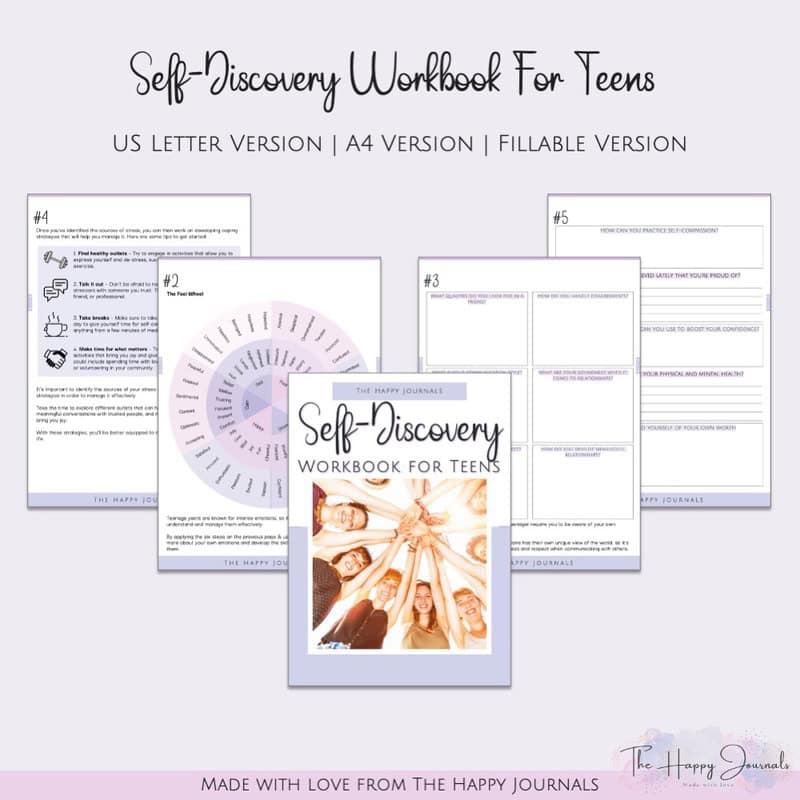
Grab the Self-Discovery Workbook For Teens
This workbook has been designed to guide your teens through a process of self-discovery and to help them gain an understanding of themselves.
In this workbook, we will explore topics including: Setting boundaries, your emotions, positive relationships, identifying stressors, knowing your worth, exploring strengths and weaknesses, and success goals.
Journaling Improves Writing Skills
Let’s face it: writing can be tough. But here’s the good news: the more you do it, the better you get at it. Journal writing is a fantastic way to improve your writing skills without realising it. Here’s why:
- Consistency: Writing regularly helps you develop a habit. And like any habit, the more you practice, the more you improve.
- Vocabulary Expansion: When you journal, you often search for the right words to express your thoughts. This naturally expands your vocabulary over time.
- Grammar and Syntax: Writing frequently makes you more aware of grammar and sentence structure. You start noticing what works and what doesn’t, translating to better writing skills.
- Flow and Coherence: It might not feel like it, but journaling helps you learn how to organise your thoughts and present them in a coherent manner. This skill is important for essays, reports, and even creative writing.
If you want to dive deeper into improving your writing skills through a journal for high school, here are some great resources:
- How to Improve Writing Skills
- On Writing Well by William Zinsser
- 50 Free Resources to Improve Your Writing Skills

Journal Writing Promotes Self-Reflection
Have you ever felt like life is moving at 100 miles per hour, and you can’t keep up? Me too. But this is where journal writing can come in handy. Journaling isn’t just about putting words on paper; it’s about reflecting on your life experiences and understanding yourself better. Here’s why self-reflection through journaling is so important:
- Understanding Emotions: Writing about your feelings helps you identify and understand your emotions. This can be incredibly beneficial for managing stress and social anxiety.
- Learning from Mistakes: Reflecting on past decisions and actions helps you learn from your mistakes. It’s like having a personal guide to help you navigate life’s challenges.
- Setting Goals: Self-reflection allows you to set realistic and achievable goals. By regularly reviewing your progress, you can stay on track and make necessary adjustments.
- Boosting Emotional Intelligence: Journaling helps you become more aware of your emotions and how they affect your behaviour. This can improve your relationships and well-being.
If you’re curious to learn more about the benefits of self-reflection and journaling, check out these resources:
- How Journaling Can Help You Live Your Best Life
- The Artist’s Way by Julia Cameron
- The Act of Self-Reflection

A Journal for High School Enhances Critical Thinking
Have you ever found yourself stuck in a loop of negative self-talk or unable to think through a problem clearly? Journal writing can be a game-changer for boosting your critical thinking skills. Here’s how:
- Analysing Situations: Writing about different scenarios forces you to break them down and look at them from various angles. This helps you develop a more nuanced understanding of complex issues.
- Problem-Solving: Journaling encourages you to brainstorm solutions for your challenges. By writing down potential solutions, you can evaluate their pros and cons more effectively.
- Identifying Patterns: When you regularly journal, you’ll notice patterns in your thinking and behaviour. This self-awareness is important for making decisions and avoiding repetitive mistakes.
Tips for Getting Started with Journal Writing
Alright, so you’re ready to start a journal for high school. That’s awesome. But where do you start? Don’t worry, I’ve got you covered with some simple steps to help you begin your journaling journey:
- Choose the Right Journal: This might sound obvious, but picking a journal that suits your needs is crucial. Do you prefer a lined notebook or a blank one? A small pocket-sized journal or a larger one? Find something that feels comfy to you. Personally, I love using either one from the Buke store or this B5 style by ZenART.
- Set a Regular Time for Writing: Consistency is key. Whether first thing in the morning or right before bed, find a time that works for you and stick to it. Trust me, making journaling a habit will make it much easier to keep up with.
- Start with Prompts if Feeling Stuck: Sometimes, staring at a blank page can be intimidating. Journal prompts can help get your creative juices flowing. For example, you could start with a simple question like, “What made me smile today?”
- Keep it Private to Encourage Honesty: Your journal is your safe space. Keeping it private will enable you to be more honest and open in your entries. Remember, this is for you and you alone.
Setting Goals and Intentions for Your Journal Writing
What about setting yourself some journaling goals? Having a clear purpose can make all the difference. Staying motivated and consistent is easier when you know what you want to achieve.
Here are some tips to help you set meaningful goals and intentions for your journal writing:
- Define Your Purpose: Ask yourself why you want to journal. Is it to reduce stress, improve your writing skills, or track your personal growth? Knowing your purpose will guide your journaling.
- Set Specific Goals: Instead of vague goals like “write more,” try something specific like “write three journal entries per week.” This makes it easier to track your progress.
- Be Realistic: Don’t set yourself up for failure by aiming too high. Start small and gradually increase your journaling frequency as you get more comfortable.
- Use Journal Prompts: Journal prompts can be a lifesaver if you’re stuck. They give you a starting point and can spark deeper reflections. Check out this fun list of journal prompts: 25 Creative Halloween High School Journal Prompts.
- Keep It Flexible: Your goals and intentions can change over time, and that’s okay. Be open to adjusting them as you grow and evolve.

Finding the Right Time and Place to Write in Your Journal
Setting up a comfortable and consistent journaling routine can make a huge difference. Here’s how you can do it:
- Choose a Specific Time: Find a time of day when you’re most relaxed and can focus. For some, that’s first thing in the morning with a cup of coffee. For others, it’s right before bed. Experiment to see what works best for you.
- Find a Quiet Spot: Your environment plays a big role in your journaling practice. Look for a quiet, comfortable place where you won’t be easily distracted. Maybe it’s a cosy corner in your room or a peaceful spot in your backyard.
- Make it a Routine: Consistency is key. Try to write at the same time and place each day. It helps build a habit and signals to your brain that it’s time to unwind and reflect.
- Limit Distractions: Turn off your phone or put it on silent. Let your family or roommates know that you need some uninterrupted time. This is your moment for some personal enrichment.
- Be Flexible: Life happens, and sometimes, your planned journaling time might get disrupted. That’s okay! Be flexible and find another time that day to jot down your thoughts.
For more tips on creating a journaling routine, check out this guide on finding your journaling routine. It’s filled with practical advice that can help you get started.
Wrapping Up Keeping a journal for high school
Let’s quickly recap the main points we covered today about why journal writing is important for students:
- Enhances self-reflection: Journaling helps you understand your thoughts and feelings better.
- Improves writing skills: Regular practice makes your writing sharper and more articulate.
- Reduces stress and anxiety: Putting your worries on paper can relieve stress.
- Encourages creativity: Journaling can inspire new ideas and creative thinking.
- Helps with goal setting: Writing down your goals helps you stay focused and motivated.
The most important thing is to start and see where it takes you. Remember, there’s no right or wrong way to journal for high school—just be yourself and let your thoughts flow.
Grab the Self-Discovery Workbook For Teens
This workbook has been designed to guide your teens through a process of self-discovery and to help them gain an understanding of themselves.
In this workbook, we will explore topics including: Setting boundaries, your emotions, positive relationships, identifying stressors, knowing your worth, exploring strengths and weaknesses, and success goals.
Disclosure: If you purchase anything from links in this post or any other, I may receive some kind of affiliate commission. However, I only ever mention products I love and would recommend regardless of commission.
Disclosure: I’m not a mental-health or medical expert, I just share what I’ve learned through my own research and experience. The ideas and prompts here are meant to help you reflect and grow, but they’re not a replacement for professional advice. You can read my full disclaimers here.